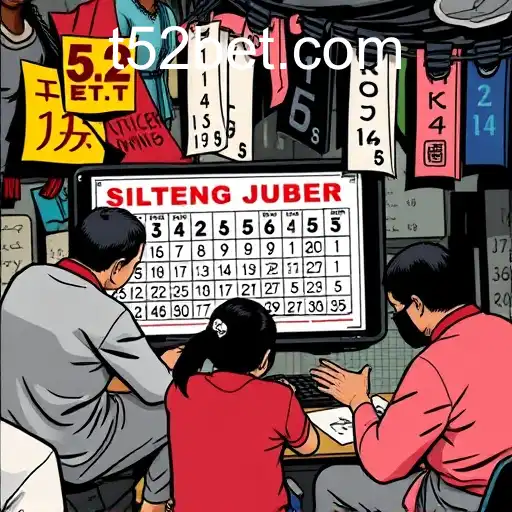
The Intricate World of Jueteng in the Philippines
Jueteng is a well-known illegal numbers game deeply rooted in the socio-cultural fabric of the Philippines. Originating from the Spanish colonial period, this game remains a popular pastime for many Filipinos. Despite being illegal, jueteng has ingrained itself into the daily lives of many, often being linked with both local and national politics. Moreover, the emergence of online betting platforms like 52bet PH Login has brought new dimensions to this enduring vice.
Historical Context and Socio-Cultural Relevance
Jueteng's name is derived from the Chinese words 'hueteng', meaning 'flower' and 'bet'. This historical background sets the stage for a game that is simple yet deeply appealing because of its promise of financial windfalls to participants. The proliferation of jueteng is tied to the socio-economic conditions in the country. For many, it represents a small glimmer of hope amid widespread poverty and unemployment.
The simplicity of the game contributes to its popularity. Players select a combination of two numbers, typically ranging from 1 to 37. Should their numbers be selected in the draw, they stand to win a substantial cash prize relative to their stake. Despite its illegality, jueteng thrives under the intricate networks of collectors, bettors, and operators—all of whom are embedded in local communities.
Potential Economic Impacts and the Role of 52bet PH Login
The clandestine nature of jueteng operations means the game often functions outside the formal economy, avoiding taxes and regulation. While considerable amounts of money are exchanged, the lack of governmental oversight means that these transactions do not benefit the public sector.
With the digitization of many betting processes in recent years, platforms like 52bet PH Login have tried to capture a share of this betting market. These platforms often provide a more organized and seemingly secure way to engage in similar betting activities. However, their role in potentially perpetuating illegal numbers games like jueteng cannot be ignored. These online entities may sometimes blur the distinction between legitimate betting practices and illegal activities like jueteng.
Political Dimensions
The links between jueteng and politics in the Philippines are notorious and well-documented. Often used as a means of financing political campaigns, jueteng can influence election outcomes and policymaking. Historically, allegations have been made against prominent politicians for either condoning or directly engaging with jueteng for political gain.
This relationship extends to the protection racket where individuals or groups within law enforcement are provided financial incentives to turn a blind eye to these illegal operations. Such practices further erode the trust between the citizens and the government, perpetuating a cycle of corruption and disenchantment.
Regulation and Enforcement Challenges
Regulating jueteng is complicated by several factors. Its deep entrenchment in society and its economic appeal make it difficult for authorities to annihilate. Moreover, efforts to legalize and regulate betting through other means often face opposition, given the game's broad base of support and influence.
The advent of online betting platforms like 52bet PH Login provides regulatory bodies with challenges, as these platforms may operate at the intersection of legality and illegality. Addressing these concerns necessitates coordinated efforts between various governmental agencies to not only curb illegal operations but also to legislate sound policies that can bridge fiscal needs while tackling socio-economic disparities.
Conclusion
The game of jueteng operates in a shadowy realm that intertwines socioeconomic desperation, political machinations, and cultural identity. As online platforms such as 52bet PH Login carve out niches in the Philippines' betting landscape, they highlight ongoing debates around regulation and cultural practices. Ultimately, addressing the challenges posed by jueteng requires holistic approaches that take into account its economic, cultural, and political dimensions.